
Marble has been a symbol of elegance and refinement for centuries, found in everything from ancient sculptures to the world's most celebrated architecture. Formed when limestone is transformed by extreme heat and pressure deep within the earth, it emerges as a dense, crystalline stone with a smooth surface and the kind of distinctive veining that simply cannot be manufactured. It is a material that carries history, character, and beauty all at once.
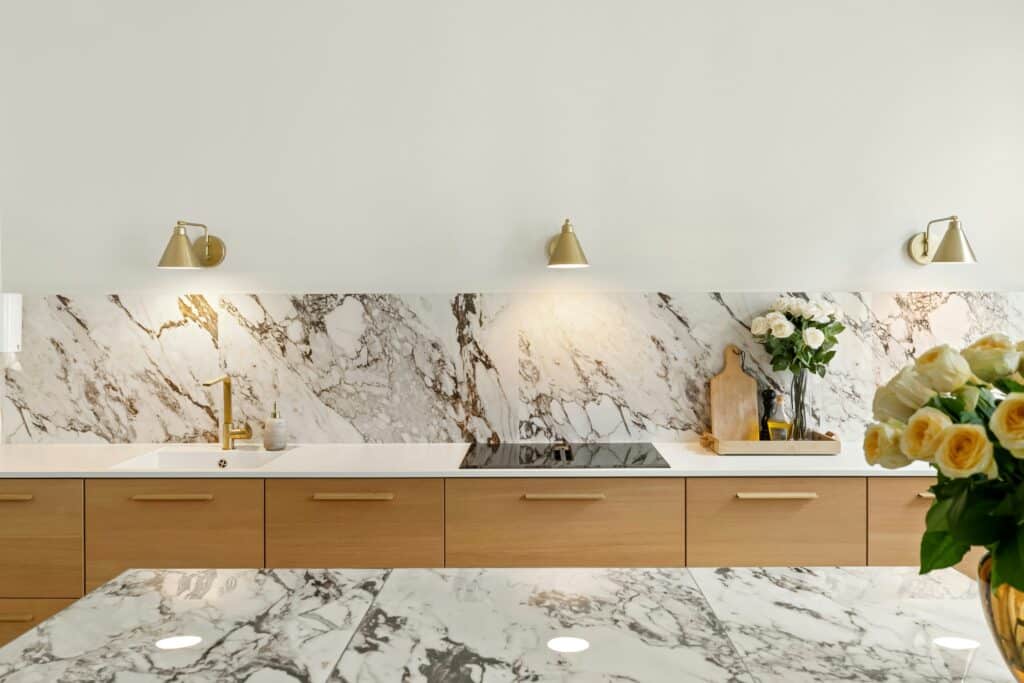
From ancient monuments to modern interiors, marble has always been associated with sophistication and refinement.
Marble stays naturally cool to the touch, making it a longtime favorite for baking, pastry work, and food preparation.
From bathroom vanities to fireplace surrounds, marble brings a level of quiet elegance to any surface it touches throughout your home.
Marble is undeniably beautiful, but sometimes it isn’t the right choice for every home or every application. Here is an honest look at both sides so you can make the best decision for your space.
No other natural stone matches the classic elegance of marble. Its soft tones and flowing veining create a look that has never gone out of style.
Like all natural stones, every marble slab is completely unique. No two countertops will ever look exactly alike.
Marble stays naturally cool, making it a favorite surface for baking and pastry preparation.
Marble develops a natural patina as it ages, which many homeowners find adds to its charm and character.
Marble is one of the more porous natural stones, making it more susceptible to staining from liquids like wine, coffee, and citrus if not sealed and maintained properly.
Acidic substances such as lemon juice, vinegar, and certain cleaners can etch the surface of marble, leaving dull marks that are difficult to remove.
Marble needs to be sealed more frequently than granite or quartzite and requires more careful day to day cleaning to keep it looking its best.
Marble is softer than granite and quartzite, making it more vulnerable to scratching and chipping in high traffic areas.
Answers to the questions Burlington homeowners ask most often about marble countertops.
Marble can work in a kitchen for the right homeowner, but it requires more maintenance than granite or quartz. If you love the look and are committed to careful cleaning, it can be a beautiful and rewarding choice.
Minor etching and scratches can often be polished out by a professional stone restoration specialist. Deep chips or cracks are more difficult to repair, which is why careful daily maintenance is so important with marble.
Marble is more porous than granite or quartz, which makes it more susceptible to staining from liquids like wine, coffee, and citrus juice. Keeping it properly sealed and wiping up spills promptly goes a long way in preventing permanent staining.
Marble should be cleaned with a soft cloth and a pH neutral or mild soap and warm water. Avoid harsh chemicals, acidic cleaners, and abrasive scrubbing pads, as these can etch and dull the surface over time.
Quartzite delivers a very similar aesthetic to marble, with dramatic veining and elegant tones, but is significantly harder and more durable. For homeowners who love the look of marble but want a lower maintenance natural stone, quartzite is an excellent alternative.


